
Recent Racism Controversies in Spain Strengthen Morocco’s case for the 2030 World Cup Final
Racism vs Tolerance: The Debate Over Hosting the 2030 World Cup Final

Spanish fans were reported to have repeated abusive chants against Islam on Tuesday 31 March 2026 during an international friendly match between the Spanish and Egyptian men’s national football teams. The chants were described as “Islamophobic and xenophobic”. The game ended in a 0-0 draw.
The incident prompted Spanish authorities to launch an investigation.
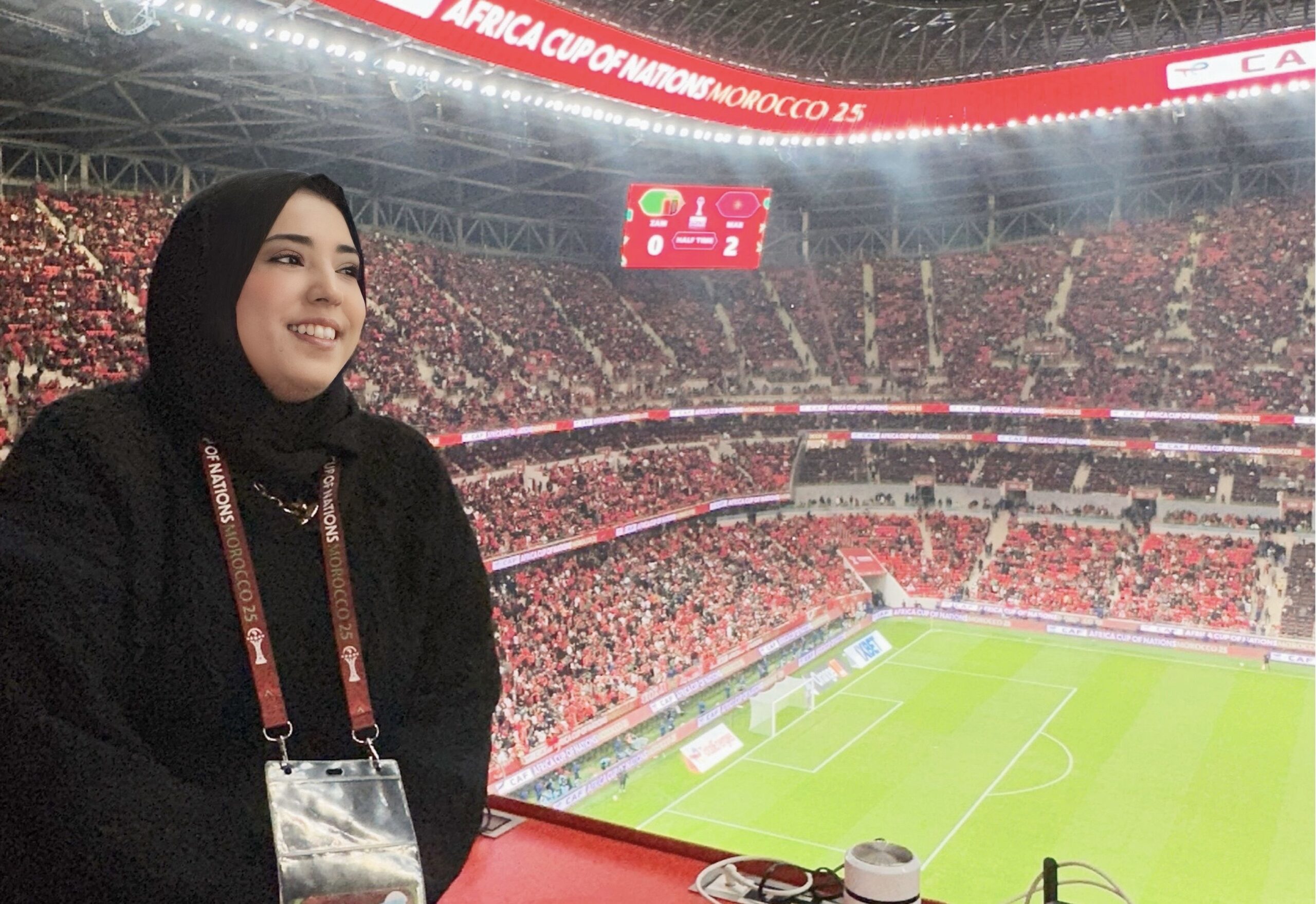
However, following the AFCON 2025 final in Morocco, and the chaos caused by Senegalese fans at Moulay Abdellah Stadium, some Spanish media outlets have claimed that Spain is the best candidate to host the 2030 World Cup final. Yet what happened at RCDE Stadium tell a different story.
During the match, shocking chants targeting Muslims were heard. This is not the first time Spanish fans have behaved in this way, especially against Africans and Arabs. There have been several cases of racism involving players in the past, such as Samuel Eto’o and Dani Alves, and more recently Vinicius Junior of Real Madrid and Lamine Yamal of FC Barcelona.
Lamine Yamal himself spoke out against this racism. In a post on Instagram, he said that he heard the chant “whoever doesn’t jump is a Muslim”. He stated that he is Muslim, and that such behavior is disrespectful and intolerable. He also addressed those responsible, saying that using a religion as a taunt on the field reflects ignorance and racism. Football, he added, should be about enjoyment and support, not about disrespecting people for who they are or what they believe.
This raises serious questions about respect and inclusivity. Such behavior has no place in modern football. A World Cup final should reflect unity, not division.
On the other hand, Morocco represents values of tolerance and coexistence. This was clearly demonstrated when the country hosted the Club World Cup in 2013, 2014 and 2023, as well as the Spanish Super Cup in 2018 between FC Barcelona and Sevilla FC, withaout any recoreded incidents of racism.
Morocco has long been known for its respect for different cultures and religions. This makes it a strong and credible candidate to host the 2030 World Cup final in a peaceful and welcoming atmosphere.
While Spain faces growing criticism following recent incidents and the renewed debate over racism in its stadiums, Morocco stands as an example of unity and respect.
In my opinion, Morocco deserves this honor not only for its capabilites, but also for its values. Hosting a World Cup final is a responsibility that goes beyond football, and choosing a host is not only about infrastructure, but also about the message it sends to the world.
Fotball should bring people together, and Morocco truly represents this spirit.